
Heat Pumps in Brussels: Heating Your Home with Renewable Energy
Heat Pumps in Brussels: Heating Your Home with Renewable Energy
What if part of the energy needed to heat your home was already available in nature, right outside your door?
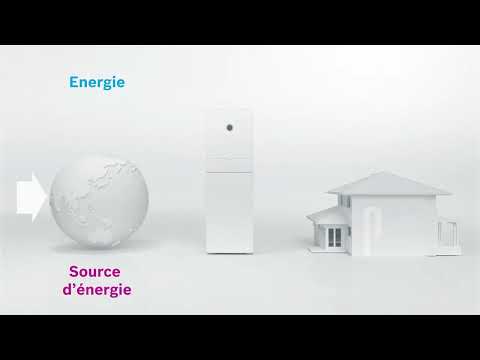
The outdoor air, the ground and even water contain thermal energy that can be used to heat buildings. A heat pump captures this naturally available heat and transfers it into your home. Depending on the system, it can also provide domestic hot water.
With energy prices, environmental concerns and building energy efficiency becoming increasingly important, heat pumps offer an attractive alternative to conventional heating systems that rely on fossil fuels.
At ChauffEco, your heating specialist based in Uccle, Brussels, we help you understand these technologies and explore solutions suited to your property.
Why Is a Heat Pump Considered a Renewable Heating Solution?
A conventional gas or oil boiler generates heat by burning fuel.
A heat pump works differently: it extracts thermal energy from the environment and transfers it into the building.
This energy can come from three natural sources:
- Outdoor air, which contains thermal energy even during cold weather.
- The ground, where temperatures remain relatively stable at certain depths.
- Water, particularly groundwater, which can serve as a heat source in suitable installations.
These are renewable sources of thermal energy.
However, heat pumps also consume electricity to operate their compressors and other components. They do not run entirely on renewable energy.
Their main advantage is their ability to deliver several units of heat for each unit of electricity consumed, under suitable operating conditions.
Rather than generating all the heat by burning fuel, a heat pump makes efficient use of energy already present in the environment.
How Does a Heat Pump Work?
The principle is easier to understand than it might seem.
A heat pump extracts low-temperature thermal energy from its surroundings. Using a refrigerant circuit and compressor, it raises the temperature of that energy before transferring it to the building.
The heat can then be distributed through compatible radiators, underfloor heating or indoor air units.
For example, if a heat pump achieves a coefficient of performance (COP) of 4 under specified conditions, it can deliver 4 kWh of heat while consuming 1 kWh of electricity.
The remaining 3 kWh come from thermal energy extracted from the environment.
This does not mean that energy is created for free. The system transfers existing energy efficiently.
Actual performance depends on outdoor temperatures, the selected equipment, the required heating temperature and the characteristics of the property.
Different Types of Heat Pumps: Air, Ground and Water
Heat pumps operate according to similar principles, but they use different sources of energy.
Air-to-Water Heat Pumps: Using Energy from Outdoor Air
An air-to-water heat pump extracts heat from outdoor air and transfers it to water circulating through a central heating system.
It can supply underfloor heating or suitable radiators and, depending on the model, produce domestic hot water.
This technology can be particularly interesting for energy renovation projects, provided the building and existing heating system are compatible.
It does not require geothermal drilling, but an appropriate location for the outdoor unit is essential.
In Brussels, acoustic, architectural and planning constraints must also be considered.
Air-to-Air Heat Pumps: Heating and Cooling
Air-to-air heat pumps also extract energy from outdoor air, but distribute heat directly into rooms through indoor units.
They are commonly associated with reversible air conditioning systems.
During winter, they can heat indoor spaces. In summer, reversible models can provide cooling.
They may be suitable for certain houses, apartments and professional premises, particularly when installing a water-based central heating system is not planned.
Ground-Source Heat Pumps: Harnessing Energy from the Earth
Geothermal heat pumps use thermal energy naturally stored underground.
Horizontal ground collectors or vertical boreholes allow the system to extract this energy and transfer it to the building's heating installation.
Because ground temperatures are generally more stable than outdoor air temperatures, these systems can achieve excellent seasonal efficiency.
However, they require detailed technical studies, specialised installation work and, in some cases, environmental permits.
In densely built-up areas such as Brussels, feasibility depends heavily on land availability, site access and regulatory constraints.
Water-to-Water Heat Pumps: Using Groundwater Energy
Certain systems use thermal energy from groundwater.
These installations can be highly efficient but require a suitable water source, hydrogeological assessments and the necessary authorisations.
They are generally considered for projects with favourable technical conditions.
There is no single heat pump that is ideal for every property. The right solution depends on the building and its heating requirements.
Heat Pumps and the Energy Transition: Reducing Dependence on Fossil Fuels
Heating accounts for a significant proportion of residential energy consumption.
In Belgium, many homes still rely on gas or oil boilers.
Heat pumps can support the energy transition by replacing some or all of this fossil fuel consumption with electricity and renewable environmental heat.
Their environmental benefits depend mainly on three factors:
- The actual energy efficiency of the installation.
- The source of the electricity used.
- The heating system being replaced.
A properly sized heat pump, installed in a suitable building and powered by increasingly low-carbon electricity, can help reduce greenhouse gas emissions associated with heating.
This is why heat pumps play an important role in European and regional building decarbonisation strategies.
Heat Pumps and Solar Panels: An Interesting Combination
Generating electricity from sunlight and using it to power a heat pump is an appealing idea.
Photovoltaic panels convert sunlight into electricity, while a heat pump uses electricity to transfer thermal energy into the building.
Combining both technologies can increase the use of renewable electricity generated on-site.
However, heating demand is generally highest in winter, when photovoltaic electricity production is lower.
The economic benefits therefore depend on system sizing, consumption patterns, self-consumption opportunities and electricity tariffs.
A personalised assessment is essential before investing.
Can a Heat Pump Really Reduce Your Energy Bills?
This is one of the first questions homeowners ask.
The answer depends on the circumstances.
An efficient heat pump can significantly reduce the amount of final energy required to deliver a given quantity of heat compared with direct electric heating.
However, this does not automatically mean that your heating bill will be divided by three or four.
Actual running costs depend on:
- Electricity prices compared with the fuel being replaced.
- The heat pump's seasonal efficiency.
- The building's insulation.
- The required heating temperature.
- System sizing and settings.
- Household energy consumption habits.
At ChauffEco, we believe in realistic advice: a heat pump should be selected for its expected performance in your property, not simply on the basis of promised savings.
Can You Install a Heat Pump in an Older Brussels Property?
Yes, in some cases. However, older properties often require a more detailed assessment.
Brussels has a diverse building stock, including terraced houses, apartments, historic façades and older heating systems.
Heat pumps generally operate more efficiently when they can heat a property using relatively low water temperatures.
In a poorly insulated home with radiators requiring very hot water, performance may be less favourable.
Before replacing a boiler, several questions should be considered:
- Is the property sufficiently insulated?
- Are the existing radiators compatible?
- Is the electrical supply adequate?
- Where could an outdoor unit be installed?
- What noise and planning restrictions apply?
- Does the system also need to produce domestic hot water?
In some projects, improving insulation or adapting the heating emitters may be more beneficial than immediately replacing the existing installation.
What If Your Property Is Not Yet Ready for a Heat Pump?
The energy transition does not necessarily have to happen in one step.
For some properties, a gradual renovation strategy makes more sense.
This might begin with improving insulation, optimising heating controls, upgrading radiators or assessing energy requirements.
In certain situations, a hybrid system combining a heat pump with a boiler may also be considered.
The heat pump then provides part of the heating, while the boiler operates when conditions or demand require it.
However, hybrid systems still consume fossil fuels and must be assessed against applicable regulations and renovation objectives.
The priority is to choose a solution that makes sense for the building rather than simply following a technological trend.
Heat Pumps in Brussels: What Regulations Apply?
Installing a heat pump involves more than selecting an efficient appliance.
In Brussels, outdoor unit placement, potential noise disturbance, planning regulations and condominium restrictions must all be considered.
Geothermal installations may also require specific studies and authorisations.
Regulations can change, and requirements depend on the project.
It is therefore important to check the rules currently in force before starting installation work.
Why Contact ChauffEco About Your Heat Pump Project?
Moving towards renewable heating is an important investment.
The technology selected, system sizing, building characteristics and installation quality all influence future performance.
ChauffEco, a family-run heating company based in Uccle, helps you explore heat pumps and more energy-efficient heating solutions.
Our approach focuses on:
- Understanding your needs, rather than recommending the same equipment for every property.
- Assessing your home, including insulation and the existing heating system.
- Comparing suitable technologies, taking technical constraints into account.
- Prioritising energy efficiency, comfort and reliability.
- Providing transparent advice, including the advantages and limitations of each solution.
We serve Uccle, Ixelles, Forest, Anderlecht, Auderghem, Watermael-Boitsfort, Woluwe-Saint-Pierre, Woluwe-Saint-Lambert and other Brussels municipalities, as well as selected surrounding areas.
Renewable Heating: A Different Approach to Home Comfort
A heat pump is not a miracle solution. However, when properly sized and suited to the building, it can be an effective way to reduce dependence on fossil fuels.
By harnessing thermal energy naturally present in air, ground or water, heat pumps offer new possibilities for residential heating.
Are you considering replacing your boiler, renovating your heating system or moving towards renewable energy?
Contact ChauffEco to discuss your project in Brussels. Together, we can explore solutions suited to your home, comfort requirements and energy objectives.
Discover also
When should you replace your boiler in Brussels?
A boiler almost never breaks down overnight. In most cases, several signs appear gradually: increased consumption, less efficient heating, or repeated breakdownWhy Does Your Boiler Use More Energy at the End of Winter?
Every year in February and March, many Brussels residents notice the same thing: heating usage suddenly increases, even as temperatures rise slightly.Complete boiler and water heater replacement – A customer experience
At this client's home, we were called in to address an outdated heating system: an old boiler combined with an old Vaillant water heaterHow to choose the right boiler for your needs and budget?
Choosing a new boiler is never simple: models, technologies, power outputs, prices… The differences can seem unclear…FAQ
FAQ CHAUFFECO BRUSSELSBosch Climate 5000 M: Multi-Split Air Conditioning for Year-Round Comf
Discover Bosch Climate 5000 M multi-split air conditioning. Cool multiple rooms with one outdoor unit. Installation by ChauffEco in Brussels.